
The Future of Memory in the Digital Age
– What happens when we outsource our minds?
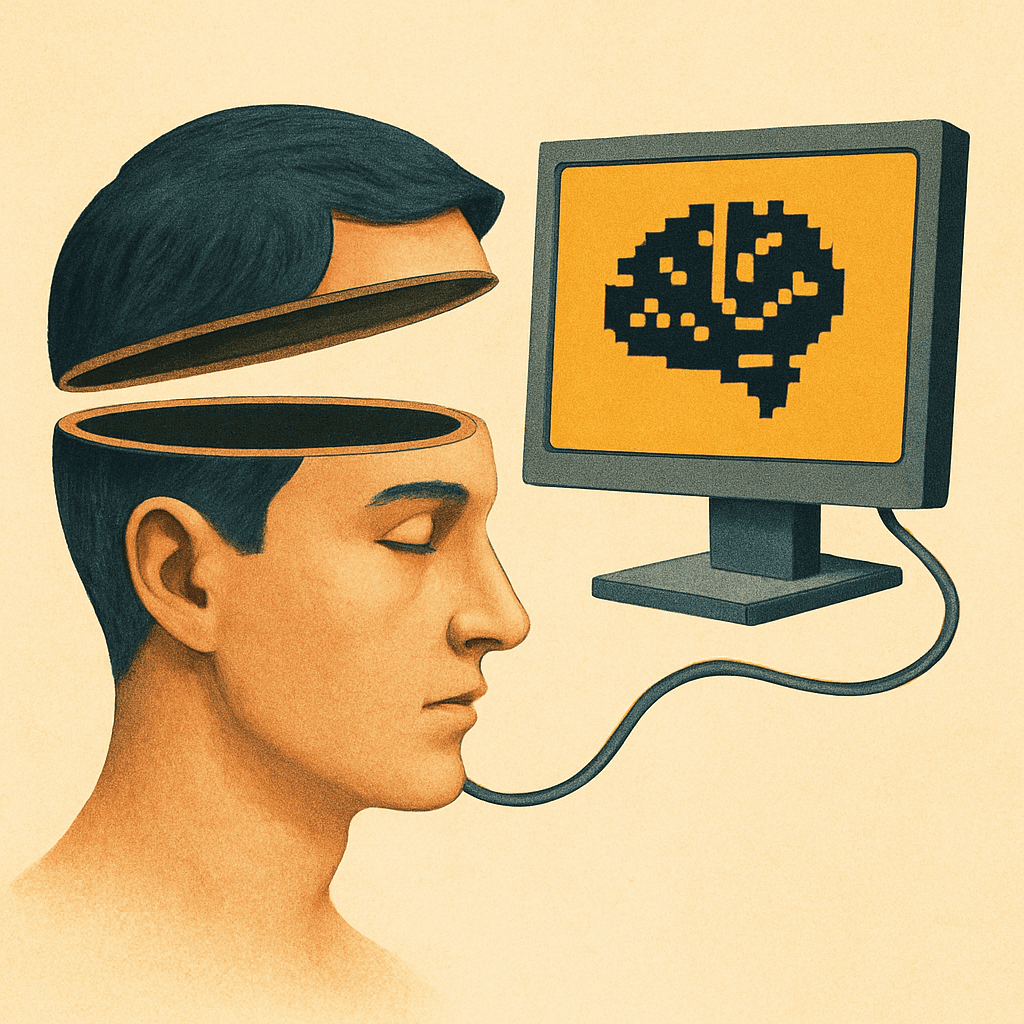
In 1998, Google was born. Since then, we’ve been slowly handing over our memory—one search at a time.
We don’t memorize phone numbers. We bookmark articles instead of absorbing them. Birthdays? Stored in Facebook. Directions? Google Maps. Thoughts? Notes app. Emotions? Instagram captions.
We are no longer remembering; we are retrieving.
This outsourcing feels efficient. But it has a price.
Studies show that when we know information is stored elsewhere, we’re less likely to remember it ourselves. Our brains adapt to the tech around us.
This isn’t just about facts. It’s about who we are. Memory shapes identity. Childhood moments, stories, mistakes—we are made of what we remember.
So what happens when we forget to remember?
When algorithms curate our memories (think: Timehop, “On This Day,” photo archives), we risk outsourcing not just storage—but meaning. We remember what platforms choose to show us.
Worse, memories become content. Experiences are staged for the camera, not the soul.
But it’s not all dystopian.
Digital tools can enhance memory—help us preserve, share, even re-live precious moments. The key is to use them intentionally, not passively.
Because remembering isn’t just data. It’s human.
And the future of memory depends on keeping it that way.