
How Languages Die – and Why It Matters
Cultural loss and linguistic preservation.
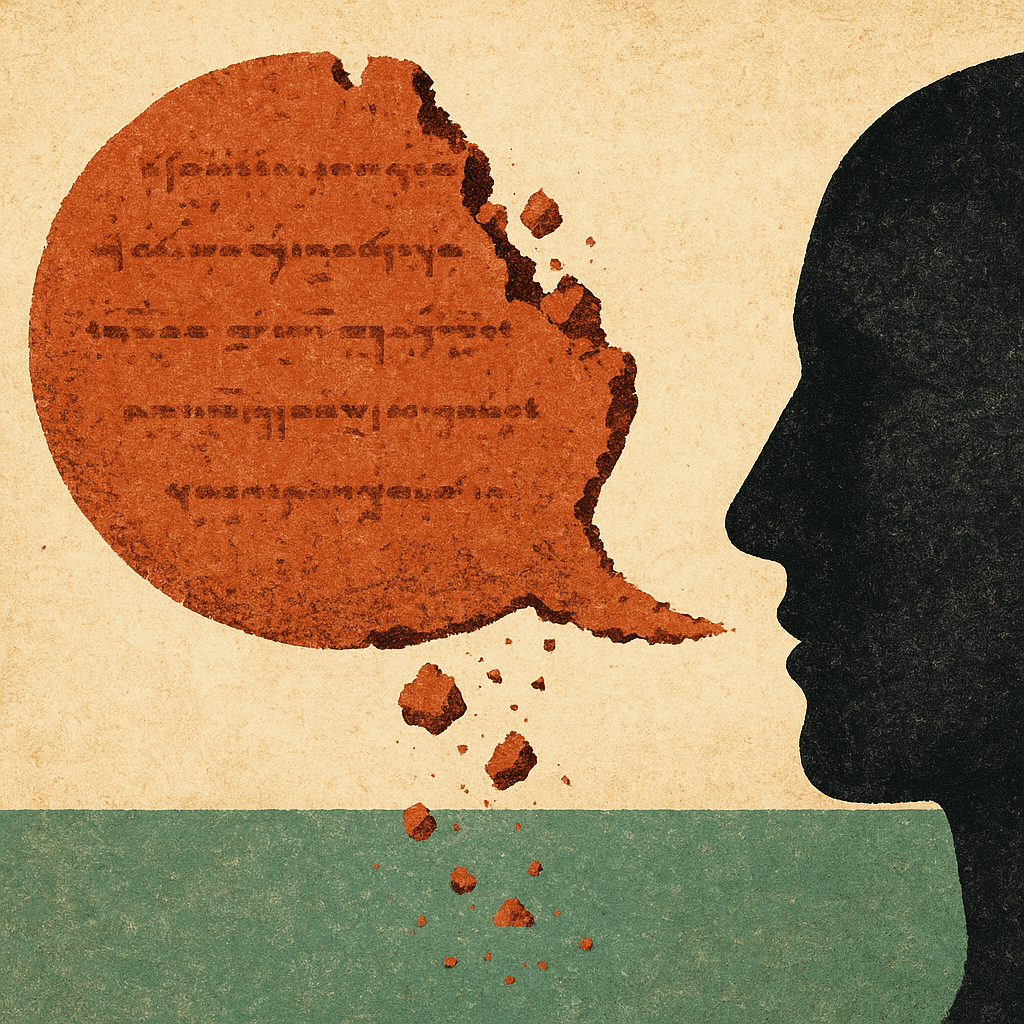
Every two weeks, the world loses a language.
Not because it was erased, but because the last person who spoke it passed away—and no one learned it after them.
Languages die quietly. Not with war, but with silence.
When a language disappears, so does a worldview. Each language carries unique concepts, rhythms, and histories. Some have words with no translation, capturing feelings or ideas no other tongue can express.
Language isn’t just a tool—it's a memory. A cultural fingerprint. It holds songs, ceremonies, names of plants, stories of survival.
So when a language vanishes, we don’t just lose words—we lose knowledge.
Colonialism, globalization, and standardization have all pushed dominant languages forward while pushing others to the edge. English, Mandarin, and Spanish expand. Thousands of others shrink.
But does it matter?
Yes—because linguistic diversity is as vital as biodiversity. Each language is a thread in the human story. The fewer threads, the weaker the tapestry.
Preservation matters. Teaching indigenous tongues, recording oral histories, and creating digital resources can help.
Because to save a language is to save a world.